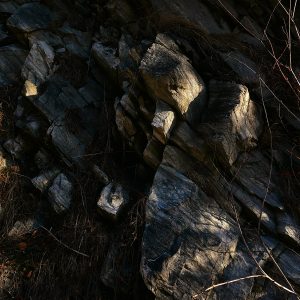
Skinner State Park and Summit House, Hadley
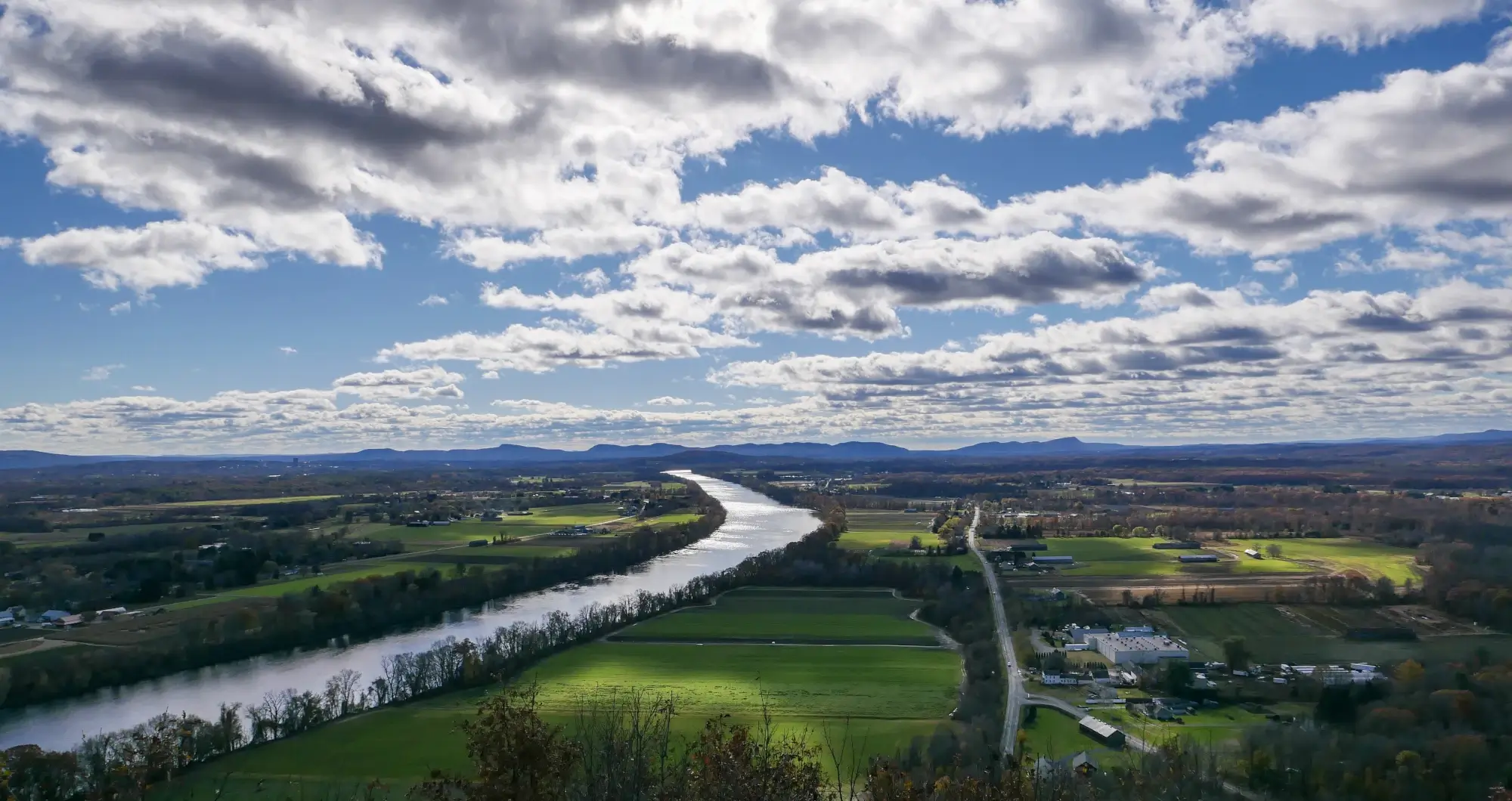
Exquisite vantage point from the south of the Pioneer Valley near the high point of the Holyoke Range run by the Massachusetts Department of Conservation and Recreation (DCR). The Connecticut River Oxbow can be viewed in the foreground, made famous by painter Thomas Cole, founder of the Hudson River School romantic art movement https://en.wikipedia.org/wiki/The_Oxbow
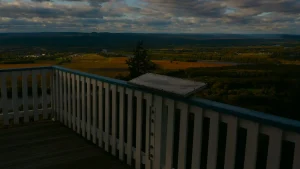
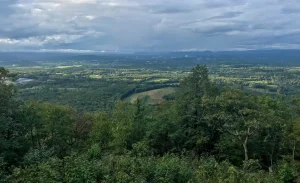
Mt. Sugarloaf, South Deerfield
Another DCR Pioneer Valley vantage point at the southern tip of the Pocumtuck Range offers a spectacular view from the north of the Connecticut River (see photo at the head of this website’s pages). The reddish stone is composed of consolidated rift sediments sandwiched between Deerfield basalt.
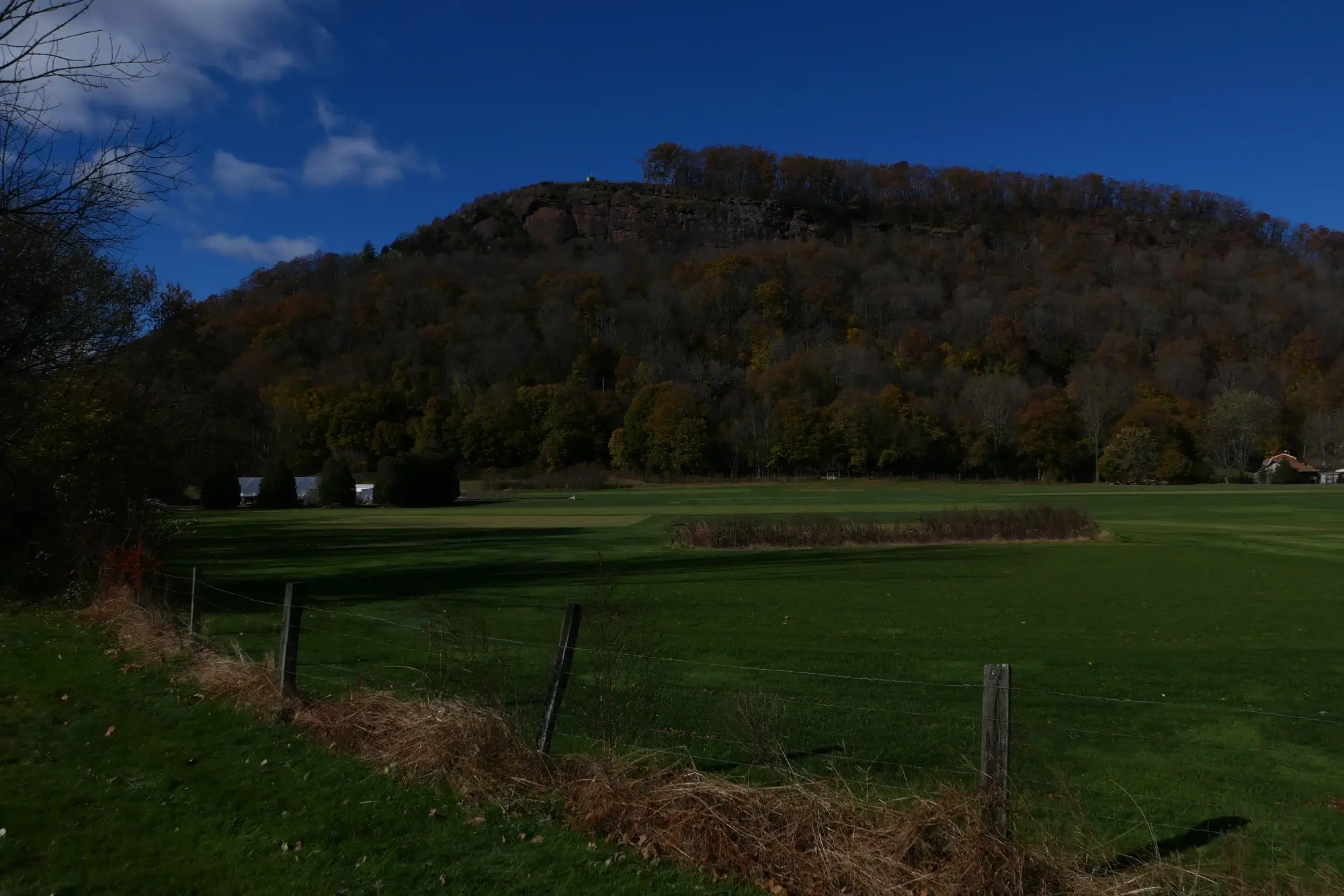
Rattlesnake Gutter Conservation Area, Leverett
A beautiful hike up a gulch which passes through outcrops of 600 million old Dry Hill gneiss originating from the ancient continent of Gondwana.
Buffam Brook Community Forest, Pelham
A trail leads to a historic artisan quarry of gneiss rock found through much of the Pelham Dome area. The cut stone was used in the construction of the earliest buildings at Amherst College.
Suture Line Vicinity: Ancient Gneiss in Savoy; Hoosac Tunnel in Florida
The ”Iapetan Suture,” with a north-south longitude of approximately 73W through the Berkshires, closed the sea which separated the ancient continents of Laurentia and Gondwana, in the process forming the supercontinent Pangaea. Along this boundary ancient rock from opposite sides of the planet today are found in proximity to each other.
Savoy gneiss is a billion-year-old rock from the ancient North American continent. Outcropping can be seen in a road cut at the intersection of Rte. 116 and Rte. 8a.
Further north along the 73W parallel is the Hoosac Tunnel which runs 4.75 miles from its east portal on the Deerfield River in Florida to the west portal in North Adams. When completed in 1875 this still active railroad tunnel was the second longest in the world. It is unique in that it passes straight through a major tectonic plate collision suture line (see en.wikipedia.org/wiki/Hoosac_Tunnel).